
CINCINNATI, OH September 30, 2026
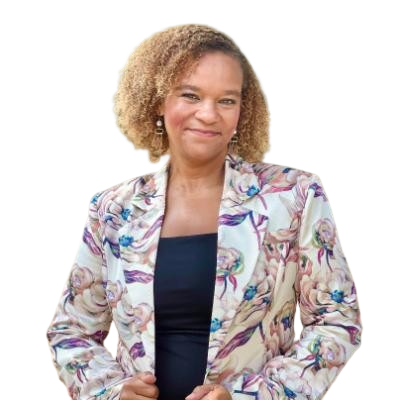
Apryl Pope discusses Why Retirement Accounts Aren’t a Retirement Strategy
Listen to the interview on the Business Innovators Radio Network: https://businessinnovatorsradio.com/interview-with-apryl-pope-founder-of-pope-financial-planning-discussing-your-retirement-accounts-arent-a-retirement-strategy/
Coordinated Strategy Trumps Individual Accounts: The Key to Effective Retirement Planning
In the realm of financial planning, particularly in the context of retirement, the common approach often revolves around individual accounts such as 401(k)s, IRAs, and pensions. This fragmented perspective, however, can lead to a disjointed strategy that fails to fulfill the potential of these accounts. As Apryl Pope, founder of Pope Financial Planning, emphasizes in her discussions, having a coordinated financial strategy is paramount to pursuing a successful retirement. This essay explores the importance of a holistic approach to retirement planning, illustrating how a coordinated strategy trumps individual accounts.
The first step in understanding the need for a coordinated strategy is recognizing that many individuals possess various retirement accounts but often lack a comprehensive understanding of how these accounts interact. As Pope points out, clients may have a 401(k), an IRA, and a pension, alongside a CPA handling their taxes. While each of these components serves a specific purpose, without a cohesive strategy, they can become counterproductive. This is akin to assembling a puzzle without considering the bigger picture; while each piece may fit individually, the overall image remains incomplete.
A coordinated retirement strategy involves looking beyond the individual accounts to understand how they work together. For instance, decisions regarding Social Security benefits can significantly impact an individual’s tax situation and, consequently, their withdrawal strategy from retirement accounts. A higher taxable income from withdrawals may increase Medicare premiums, affecting overall financial health. This interconnectedness underscores the necessity of viewing retirement planning as a holistic process rather than a collection of isolated decisions.
Moreover, the analogy of chess aptly illustrates the complexities of financial decision-making. Just as a chess player must consider the ramifications of each move on the overall game, retirees must evaluate how their financial choices affect their broader retirement strategy. For example, a hasty decision to claim Social Security benefits at a certain age could inadvertently lead to reduced lifetime benefits or increased tax liabilities. A coordinated approach allows for thorough analysis and foresight, ensuring that one decision does not jeopardize another aspect of the retirement plan.
The role of a financial planner as a “personal CFO” becomes crucial in this context. By taking the responsibility to connect the dots between various financial elements, a planner can help clients navigate the intricate web of retirement planning. This oversight is vital; it ensures that all decisions are made with a comprehensive understanding of their implications. A personal CFO can provide valuable insights into how withdrawals from retirement accounts might affect tax obligations or how investment strategies can be optimized to align with income needs and estate planning goals.
Apryl shared: “Having good financial pieces is not the same thing as having a coordinated financial strategy. So, that’s what we’re trying to focus on.”
The importance of a coordinated strategy is further highlighted by the potential pitfalls of neglecting this approach. Individuals who rely solely on individual accounts may find themselves facing unexpected challenges during retirement. For instance, failing to consider the tax implications of withdrawals could lead to a depletion of funds faster than anticipated, compromising long-term financial security. Additionally, without a coordinated strategy, retirees may miss out on opportunities to maximize their Social Security benefits or mitigate tax liabilities, ultimately affecting their quality of life in retirement.
In conclusion, while individual retirement accounts are essential components of a retirement plan, they are not sufficient on their own. A coordinated strategy that considers the interplay between various financial elements is crucial for effective retirement planning. By adopting a holistic approach, individuals can ensure that their financial decisions are aligned for long-term success. As Apryl Pope articulates, the goal is not merely to accumulate assets but to create a comprehensive and cohesive financial strategy that supports a confident and fulfilling retirement. In the intricate game of retirement planning, a coordinated strategy truly trumps individual accounts.