
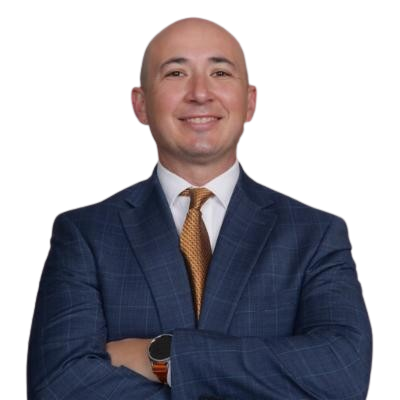
Carlos Lopez discusses serving the underserved
Listen to the interview on the Business Innovators Radio Network: https://businessinnovatorsradio.com/interview-with-carlos-lopez-sr-advisor-with-mah-financial-services-discussing-serving-the-underserved/
In the modern economy, financial literacy is not just a desirable skill; it is a necessity. As individuals navigate an increasingly complex financial landscape, the importance of understanding financial products, services, and strategies cannot be overstated. Financial education empowers individuals to make informed decisions, secure their financial future, and ultimately improve their quality of life. This essay explores the significance of financial education, the barriers many face in accessing it, and the transformative potential it holds for underserved communities.
Financial education equips individuals with the knowledge and skills necessary to manage their finances effectively. It encompasses a wide range of topics, including budgeting, saving, investing, and understanding credit. The lack of financial literacy can lead to poor financial decisions, such as accumulating debt, failing to save for emergencies, or missing out on investment opportunities. As Carlos Lopez, a Senior Advisor with MAH Financial Services, shared in a recent podcast, many individuals, including educators, often enter the workforce without a clear understanding of their financial options. This gap in knowledge can result in lost opportunities for wealth accumulation and financial security.
Moreover, financial education fosters a sense of empowerment. When individuals understand how to navigate their financial landscape, they can take control of their financial futures. They become more confident in making decisions regarding retirement plans, investments, and savings strategies. This empowerment is particularly crucial for young people who are just beginning their careers. By instilling financial literacy early on, we can help them build a strong foundation for their future.
Despite the clear benefits of financial education, many individuals still lack access to essential resources. One significant barrier is the absence of structured financial education programs in schools and communities. As noted by Carlos Lopez, many people enter the workforce without ever having been educated about their financial options, such as retirement plans or investment accounts. This lack of education can create a cycle of financial illiteracy that perpetuates economic inequality.
Additionally, financial services are often perceived as intimidating or overly complex, deterring individuals from seeking help. This is especially true for underserved communities, where financial institutions may not prioritize outreach or education. As a result, individuals in these communities may remain unaware of the tools and resources available to them, further exacerbating their financial challenges.
To address these barriers, it is essential to prioritize financial education as a public good. Financial institutions, educators, and community organizations must collaborate to create accessible and engaging educational programs. Initiatives could include workshops, online courses, and one-on-one mentoring sessions that demystify financial concepts and empower individuals to take charge of their financial futures.
Carlos Lopez and his colleague, Marc Hernandez, recognized the need for innovative approaches to financial education. Their mission at MAH Financial Services is to serve the underserved by providing education and resources that empower individuals to make informed financial decisions. By focusing on those who have historically been overlooked, they aim to break the cycle of financial illiteracy and foster a more equitable financial landscape.
In conclusion, financial education is a powerful tool for empowerment. By equipping individuals with the knowledge and skills to navigate their financial lives, we can help them achieve greater stability and success. Addressing the barriers to financial education is crucial in creating a more inclusive society where everyone has the opportunity to thrive. As we work towards this goal, we must remember that financial literacy is not just about numbers; it is about enabling individuals to take control of their futures and build a better life for themselves and their families.
Carlos shared: “How can we educate? How can we serve the underserved? Well, who is the underserved?That’s basically every American out there that’s starting off in the workforce, or even if they’ve been in the workforce for 5, 10, 15, 20 years.”
About Carlos Lopez
Carlos Lopez believes that financial clarity is a right, not a privilege. Before entering the financial world, Carlos spent eight years as a university professor, a chapter of his life that defined his approach to wealth management: education first.