

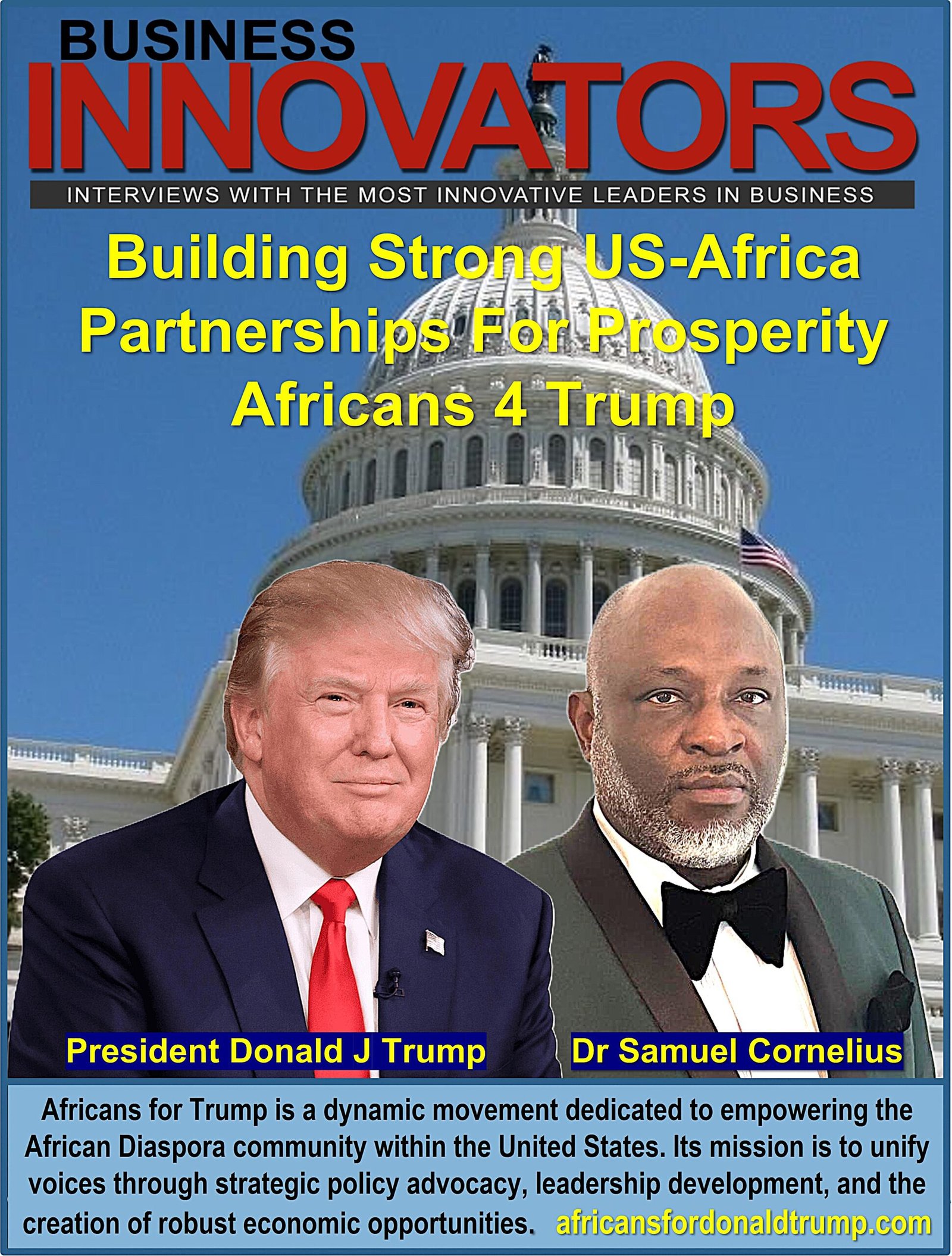
Building Strong US-Africa Partnerships for Prosperity – Africans 4Trump
https://www.africansfordonaldtrump.com
Africans for Trump is a dynamic movement dedicated to empowering the African diaspora community within the United States. Our mission is to unify voices through strategic policy advocacy, leadership development, and the creation of robust economic opportunities. By bridging the gap between community needs and political leadership, we ensure that the diaspora plays a central role in shaping the American landscape for generations to come.
In an era where global collaboration is more crucial than ever, the relationship between the United States and Africa stands out as a beacon of potential. With a shared interest in economic growth, security, and sustainable development, both regions can benefit immensely from stronger partnerships. This article explores the various dimensions of US-Africa partnerships, highlighting opportunities, challenges, and practical steps to foster prosperity.

Empowering the African Diaspora: Join Our Movement
The African diaspora is a vibrant and diverse community that spans the globe. From the bustling streets of New York City to the serene landscapes of London, individuals of African descent are making significant contributions to society. However, many still face challenges that hinder their potential. This blog post aims to shed light on these issues and invite you to join a movement dedicated to empowering the African diaspora.
Understanding the African Diaspora
The African diaspora refers to the communities of people of African descent living outside the continent of Africa. This includes individuals who have migrated for various reasons, including economic opportunities, education, and fleeing conflict. The diaspora is not just a demographic; it is a rich tapestry of cultures, languages, and histories.
The Importance of Community
Community plays a crucial role in the lives of those in the diaspora. It provides a sense of belonging and support. Many individuals find strength in their shared experiences, whether through cultural festivals, religious gatherings, or social organizations. These connections help to preserve cultural heritage and foster resilience.
Challenges Faced by the Diaspora
Despite the strengths of the African diaspora, many face significant challenges:
- Economic Disparities: Many individuals struggle to find stable employment or face discrimination in the workplace.
- Cultural Identity: Balancing cultural heritage with the pressures of assimilation can be difficult, leading to identity crises.
- Access to Education: Educational opportunities are often limited, impacting future generations.
The Power of Empowerment
Empowerment is about providing individuals with the tools and resources they need to thrive. This can take many forms, including education, mentorship, and community support. By focusing on empowerment, we can help individuals overcome barriers and achieve their goals.
Education as a Tool for Empowerment
Education is one of the most powerful tools for empowerment. It opens doors to opportunities and helps individuals build a better future. Here are some ways to promote education within the diaspora:
- Scholarship Programs: Establishing scholarships for students of African descent can help alleviate financial burdens.
- Mentorship Initiatives: Connecting students with mentors in their fields of interest can provide guidance and encouragement.
- Community Learning Centers: Creating spaces for learning and skill development can foster a culture of education.
Building Networks
Networking is essential for personal and professional growth. By building strong networks, individuals can share resources, knowledge, and opportunities. Here are some strategies to enhance networking within the diaspora:
- Networking Events: Organizing events that bring together individuals from various backgrounds can facilitate connections.
- Online Platforms: Utilizing social media and online forums can help individuals connect across geographical boundaries.
- Collaborative Projects: Encouraging collaborative initiatives can strengthen ties and promote collective growth.
Celebrating Cultural Heritage
Cultural heritage is a vital aspect of the African diaspora. Celebrating this heritage not only fosters pride but also educates others about the richness of African cultures. Here are some ways to celebrate and promote cultural heritage:
Festivals and Events
Organizing cultural festivals can showcase the diversity of the African diaspora. These events can include:
- Art Exhibitions: Highlighting the work of African artists can promote cultural appreciation.
- Culinary Festivals: Sharing traditional foods can bring communities together and celebrate culinary heritage.
- Music and Dance: Hosting performances can showcase the vibrant artistic expressions of the diaspora.
Educational Programs
Implementing educational programs that focus on African history and culture can help preserve heritage. This can include:
- Workshops: Offering workshops on traditional crafts, music, or dance can engage younger generations.
- School Curriculums: Advocating for the inclusion of African history in school curriculums can promote understanding and appreciation.
Taking Action: Join Our Movement
Empowering the African diaspora requires collective action. Here’s how you can get involved:
Volunteer Opportunities
Many organizations are dedicated to supporting the African diaspora. Volunteering your time can make a significant impact. Consider:
- Mentoring Youth: Share your knowledge and experiences with young individuals in the community.
- Organizing Events: Help plan cultural events or educational workshops.
- Advocacy: Support policies that promote equality and access to resources for the diaspora.
Donating to Support Initiatives
Financial contributions can help sustain programs that empower the African diaspora. Consider donating to:
- Scholarship Funds: Support educational initiatives that provide scholarships to students.
- Community Organizations: Contribute to organizations that focus on cultural preservation and empowerment.
Spreading Awareness
Raising awareness about the challenges and achievements of the African diaspora is crucial. You can help by:
- Sharing Stories: Use your platform to highlight the successes and struggles of individuals in the diaspora.
- Engaging in Conversations: Discuss the importance of empowerment and cultural heritage with your network.
Conclusion
The African diaspora is a powerful community with immense potential. By focusing on empowerment, education, and cultural celebration, we can help individuals overcome challenges and thrive. Join our movement to support the African diaspora and make a meaningful impact. Together, we can create a brighter future for all.
Take the first step today by getting involved, whether through volunteering, donating, or simply spreading awareness. Your contribution can help shape a more empowered and connected community.
Advocating for African Policies and Economic Opportunities
Africa is a continent rich in resources, culture, and potential. Yet, despite its vast opportunities, many African nations face significant challenges in policy-making and economic development. This blog post aims to explore the importance of advocating for effective African policies and the economic opportunities that can arise from them.
Understanding the Current Landscape
The Economic Potential of Africa
Africa is home to 54 countries, each with unique resources and capabilities. The continent is rich in minerals, agricultural land, and a youthful population eager to innovate. According to the African Development Bank, Africa’s economy is projected to grow by 4% in the coming years, driven by sectors such as agriculture, technology, and renewable energy.
Challenges Facing African Nations
Despite this potential, many African nations struggle with:
- Political Instability: Frequent changes in leadership can disrupt economic policies and deter foreign investment.
- Corruption: Corruption remains a significant barrier to effective governance and economic growth.
- Infrastructure Deficiencies: Poor infrastructure limits access to markets and essential services, hindering economic development.
The Role of Policy in Economic Development
Why Policies Matter
Effective policies are crucial for creating an environment conducive to economic growth. They can:
- Attract Investment: Clear and stable policies encourage both local and foreign investors to commit resources.
- Support Entrepreneurship: Policies that promote entrepreneurship can lead to job creation and innovation.
- Enhance Trade: Trade policies can open up markets, allowing countries to benefit from their comparative advantages.
Examples of Successful Policies
Several African nations have implemented policies that have led to significant economic improvements:
- Rwanda: The Rwandan government has focused on technology and innovation, leading to a booming tech sector. The country has become a hub for startups, attracting international attention.
- Ethiopia: With a focus on industrialization, Ethiopia has invested in manufacturing and infrastructure, resulting in rapid economic growth.
Advocating for Change
The Importance of Advocacy
Advocacy plays a vital role in shaping policies that can lead to economic opportunities. Engaging with policymakers, civil society, and the private sector can help ensure that the voices of citizens are heard.
Strategies for Effective Advocacy
- Building Coalitions: Collaborating with various stakeholders can amplify voices and create a united front for change.
- Utilizing Data: Presenting data and case studies can strengthen arguments and demonstrate the potential benefits of proposed policies.
- Engaging the Youth: The youth population in Africa is vast and dynamic. Engaging them in advocacy efforts can lead to innovative solutions and a more inclusive approach to policy-making.
Economic Opportunities in Africa
Key Sectors for Growth
Several sectors present significant opportunities for economic development in Africa:
- Agriculture: With vast arable land, Africa has the potential to become a global leader in food production. Investing in sustainable agricultural practices can enhance food security and create jobs.
- Technology: The tech sector is rapidly growing, with many young entrepreneurs developing innovative solutions to local problems. Supporting tech startups can drive economic growth and job creation.
- Renewable Energy: Africa has abundant renewable energy resources, including solar and wind. Investing in these sectors can provide sustainable energy solutions and create jobs.
Case Studies of Economic Success
- Kenya’s Mobile Money Revolution: The introduction of mobile money services like M-Pesa has transformed financial access for millions, enabling entrepreneurship and economic participation.
- Nigeria’s Film Industry: Known as Nollywood, Nigeria’s film industry has become one of the largest in the world, generating significant revenue and creating jobs.
The Path Forward
Recommendations for Policymakers
To harness Africa’s potential, policymakers should consider the following:
- Prioritize Education: Investing in education and vocational training can equip the workforce with the skills needed for emerging industries.
- Enhance Infrastructure: Improving transportation and communication infrastructure can facilitate trade and economic activity.
- Foster Innovation: Creating an environment that supports research and development can lead to new technologies and solutions.
The Role of International Partners
International organizations and foreign governments can play a crucial role in supporting African nations by:
- Providing Funding: Financial support for infrastructure and development projects can help kickstart economic growth.
- Sharing Best Practices: Collaborating with African nations to share successful policy frameworks can lead to better governance and economic outcomes.
As we move forward, it is crucial for all stakeholders—governments, civil society, and the private sector—to work together in advocating for policies that will lead to sustainable economic development across Africa.
DR SAMUEL CORNELIUS – FOUNDER/CONVENER
CONTACT: info@africansfordonaldtrump.com
1101 Pennsylvania Avenue, N.W., Washington, D.C. 20004
